The rupee should have had a terrible fortnight. Renewed US strikes on Iran pushed Brent crude near $104 (as of 11 September 2026) a barrel, Fed chair Kevin Warsh turned hawkish at Jackson Hole and September rate-hike odds jumped to roughly 66%, and yet the rupee has stayed comparatively resilient, because the Reserve Bank of India had already pulled in $136.37 billion through a swap window most people never noticed.
That number is not a forecast or an estimate. It is what actually landed by 31 August 2026.
What the scheme actually did
The mechanism is technical and the effect is simple. Under the facility, a bank raising fresh foreign currency deposits from non-resident Indians could swap those dollars into rupees with the RBI, with the central bank absorbing the currency risk, which removes the single biggest reason banks hesitate to chase such deposits.
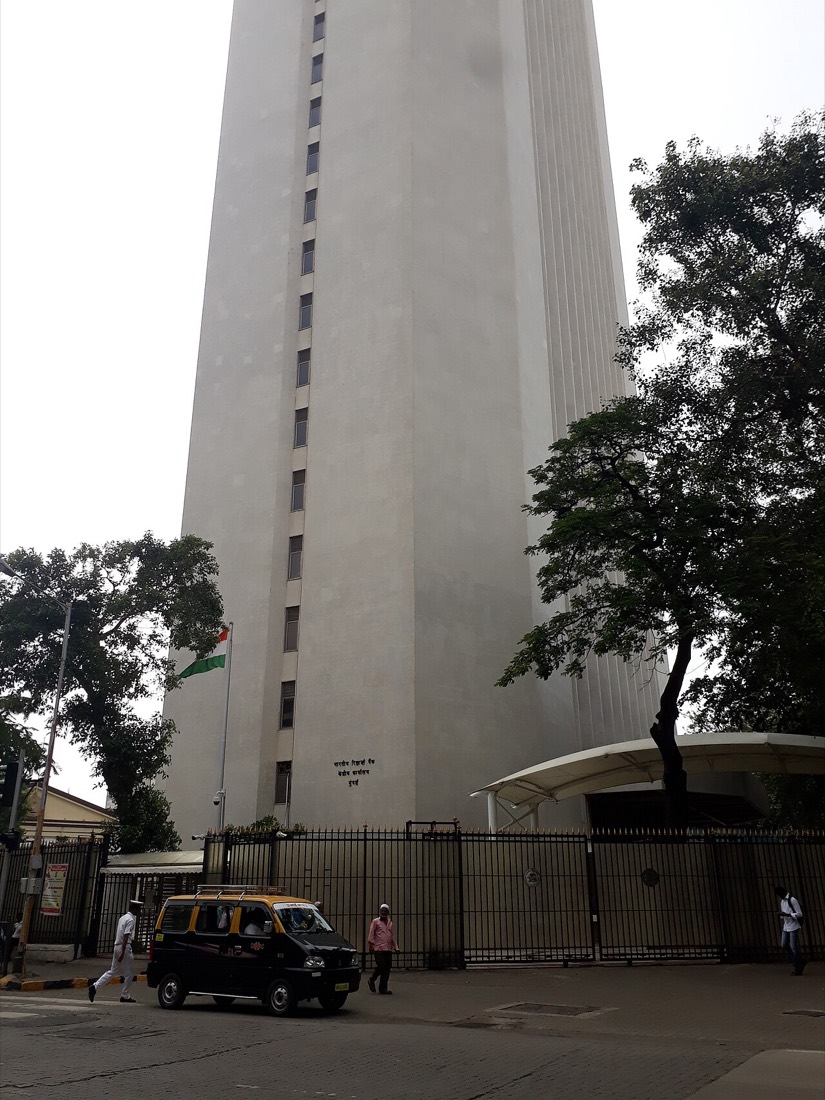
Take away the hedging cost and the economics change completely. FCNR(B) deposits crossed $100 billion to reach $127.2 billion, with overseas foreign currency borrowings adding $5.26 billion and external commercial borrowings $3.89 billion, for a total of $136.37 billion by 31 August 2026.
The pace at the end tells you how attractive the terms had become. More than $60 billion arrived in the final ten days of the window, which is why the RBI closed it for fresh deposits on 31 August rather than the originally announced 30 September. Banks can still avail swaps with the RBI until 11 September.
Why this matters more than it sounds
Because it explains a market fact that otherwise makes no sense. India imports more than 85% of its crude, so an oil move toward $97 mechanically means more dollars leaving the country, and a hawkish Fed pulls capital out on top of that. Both of those happened in the same fortnight, and the rupee did not break.
The reason is that the outflow met a contracted inflow. Foreign portfolio investors have been an unreliable source of dollars this year, pulling roughly Rs 2.4 trillion out of Indian equities across 2026 before a brief return in August. A swap-backed deposit programme does not change its mind when Jackson Hole turns hawkish, which is precisely its value.
It also gives the RBI ammunition. Selling dollars to steady the currency is only possible if you have dollars, and the market has noted that the rupee's resilience through this episode was supported by RBI dollar sales alongside these inflows.
The part that is a loan, not a windfall
This is where the enthusiasm should stop. FCNR(B) deposits are liabilities with three to five year maturities that must eventually be repaid in foreign currency, and the RBI has taken the currency risk onto its own balance sheet through the swap.
That is a reasonable trade during a shock and a poor substitute for fixing the underlying position. The country still runs a trade deficit driven by oil, and a deposit programme buys time rather than reducing the import bill, a chain our crude oil price today page tracks daily.
What it means for the RBI's next decision
It widens the options slightly, and only slightly. The RBI held the repo rate at 5.25% in August 2026 with a neutral stance, and a stable currency is one of the preconditions for any future cut, since easing into a widening rate differential normally pressures the rupee.
The other preconditions have got worse, not better. Indian retail inflation rose to 4.82% in August 2026, a seven-month high, and oil near $97 pushes it further. A currency defence does not solve an inflation problem, so the cut window our will the RBI cut rates again in 2026 analysis describes remains narrow even with $136 billion in hand.
The more immediate question is the US Federal Reserve on 16 September, where a hike would widen the differential again, covered in our Fed dot plot explainer.
Risks to monitor
The second risk is dependence. A defence this effective invites the assumption that the rupee is structurally stronger than it is, when what has actually changed is the financing, not the fundamentals.
The third is that the window is now shut. Fresh deposits stopped on 31 August, so if oil stays near $97 into the winter, the next shock arrives without this particular cushion available. This is general information, not investment advice.
The useful way to read the last fortnight is that India's currency held up because someone planned for exactly this in June. It is genuinely good policy execution. It is also, in the most literal sense, borrowed time.