The buying season India waits all year for is about to start, and the price has moved the right way for once. Gold in India is around Rs 1,55,510 per 10 grams for 24 carat and Rs 1,42,400 for 22 carat (as of 3 September 2026), roughly Rs 8,600 below the peak reached on 25 August, with Navratri weeks away and Dhanteras and Diwali behind it.
The discount is real. So is the reason for it, and the reason has nothing to do with India.
Why the price fell, in one paragraph
Gold pays no interest, so its main competitor is a safe asset that does. When markets decided the US Federal Reserve was more likely to raise rates than cut them, the return on doing nothing went up, and gold de-rated accordingly.
Three things did that in nine days. Fed chair Kevin Warsh sharpened his inflation warning at Jackson Hole on 28 August, renewed US strikes on Iran pushed Brent near $104 (as of 11 September 2026) and revived the inflation scare, and the 4 September jobs report showed US payrolls rising 162,000 in August against about 56,000 expected. The mechanism, and why a war made gold cheaper rather than dearer, is set out in our why gold fell when the war restarted piece.
What Indian demand actually looks like this year
Quieter than the headlines suggest. India's total gold demand in the first half of 2026 was 281.50 tonnes, up just 1.8% from a year earlier, because high prices capped volume growth even as the rupee value of purchases rose.
The June correction produced an odd pause. Activity stalled across jewellery retail and wholesale after the sharp domestic price fall, and import volumes dropped to roughly 20 tonnes, a multi-month low, which is what happens when buyers see a falling price and decide to wait for a lower one.
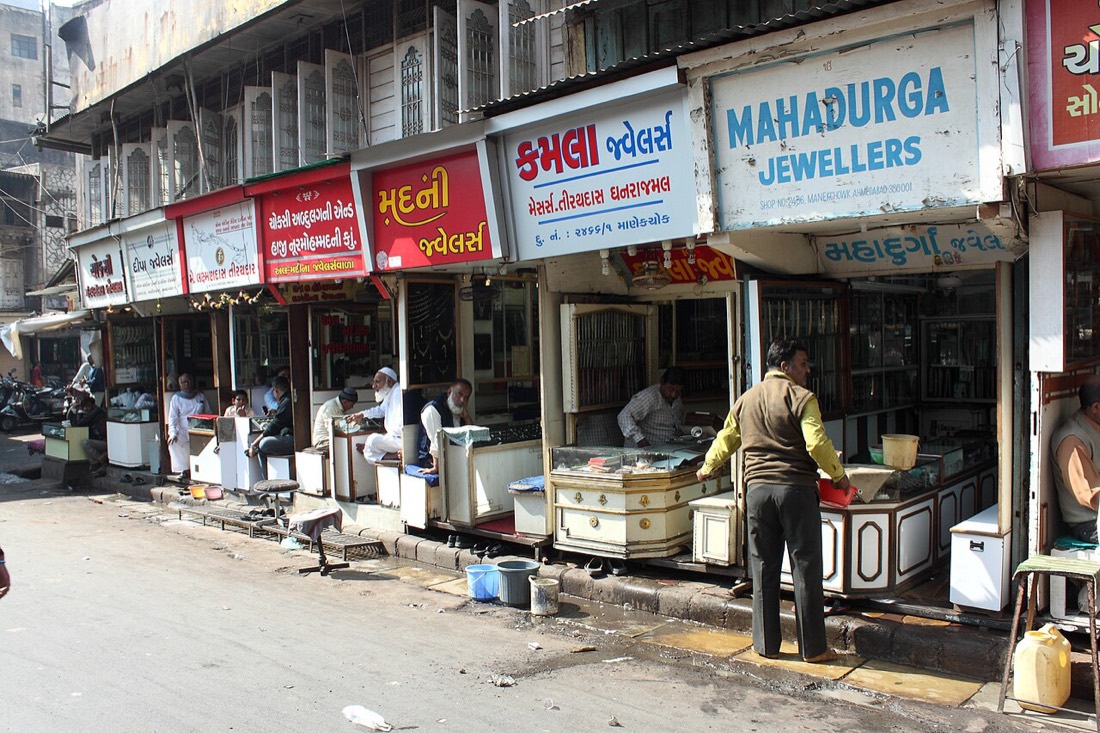
That hesitation appears to be ending. The World Gold Council has reported jewellery buyers, ETF investors and importers returning to the market ahead of the festive season, with bullion dealers stocking up for Dhanteras and Diwali. Equity markets have their own Diwali ritual, covered in Muhurat trading 2026.
The calendar, and what it costs you
The price you see quoted is not the price you pay, and the gap widens exactly when demand peaks. A 3% GST sits on the metal value, and making charges run from roughly 8% to 25% depending on the design and the jeweller.
Jewellery, coins or an ETF
The honest answer is that these solve different problems, and the mistake is using one for the other's job.
Jewellery is for wearing, and its making charge is a cost you do not get back, which is why buying ornaments as an investment quietly loses 8% to 25% before the gold price does anything at all. Check for the hallmark and the six-digit HUID, and insist the bill shows weight, carat and making charge as separate lines.
Coins and bars carry far lower making charges and suit someone who wants physical metal without the design premium.
A gold ETF tracks the price with no making charge and no storage risk, which makes it the cleaner instrument for pure investment, as our how to invest in gold in India guide explains. The daily level for both metals sits on our gold rate today and silver rate today pages.
What could move the price before Diwali
The 16 September Federal Reserve decision is the single biggest factor. The hike was delivered on 16 September, so the surprise that moves gold most from here would be a hold, which our Fed dot plot explainer covers.
Oil is the second. Brent, back above $105 after Saudi supply disruptions and Houthi strikes this week, keeps the inflation story alive, and a genuine supply disruption rather than a sanctions headline would shift gold from being an inflation victim to an inflation hedge again.
The rupee is the third and the most India-specific. A weaker rupee raises the local price even when the dollar price is flat, which is why Indian buyers rarely capture the full extent of an international fall.
Risks to monitor
The second consideration is timing versus purpose. If the gold is for a wedding with a fixed date, the useful question is not whether the price bottoms but whether the making charge is fair, because that is the part you control.
The third is the crowd. Buying at Dhanteras is customary and expensive, and the same purchase made in a quiet week often costs less in charges even at an identical metal rate. This is general information, not investment advice.
For most of 2026 Indian buyers have watched gold climb away from them, with demand growing 1.8% while prices did the heavy lifting. The last fortnight handed back a small part of that, for reasons decided in Wyoming and Washington rather than in any Indian jewellery market. Whether that counts as an opportunity depends entirely on whether you were going to buy anyway.