Going into the June quarter, the consensus on Indian earnings was close to grim. Analysts expected India Inc's aggregate profit to fall about 10% year on year in Q1 FY27, and it grew about 2% instead, with growth of roughly 17% once oil marketing companies are stripped out. A 12 percentage point gap between forecast and outcome is not a rounding error, it is a misread quarter.
The misread had one cause: everyone assumed expensive crude would flatten margins everywhere. It flattened them in exactly the places you would expect, and left the rest of corporate India in better shape than the aggregate suggested.
What did the Q1 FY27 numbers actually show?
The headline aggregate is distorted by one sector. Oil marketing companies absorb the cost when crude is high and pump prices are not fully passed through, so their losses drag the whole index total down, which is why the same quarter reads as 2% growth including them and about 17% growth without them.
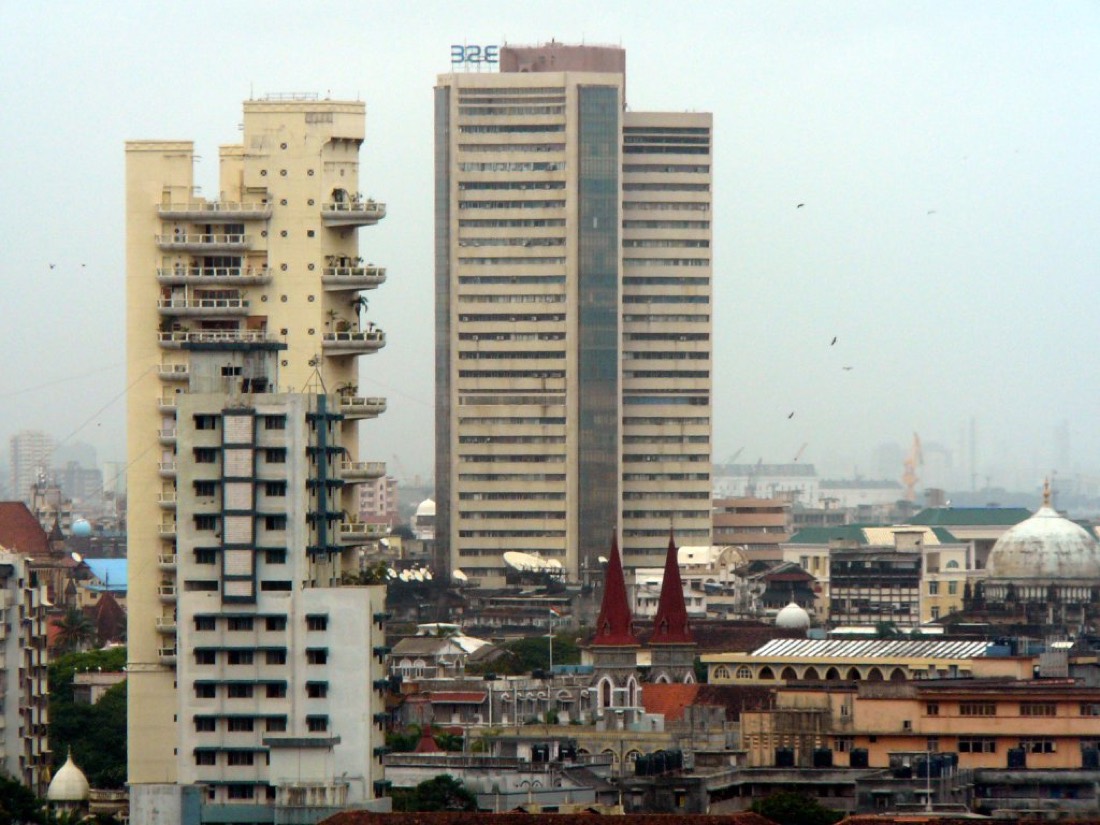
The narrower Nifty 50 picture was cleaner. Among the first 39 index companies to report, profits grew about 11% against an expected 7%, with roughly 49% beating profit estimates and only 22% missing. That ratio of beats to misses is what turned market sentiment through late July.
Which sectors won the quarter?
Metals won on price. Firm global metal prices lifted sector profits about 53% year on year, the single strongest print of the quarter, and it came without the volume heroics that usually accompany a number that size.
Banks won on consistency. Banking and financial services grew profits about 20% and contributed the largest share of the beat in absolute terms, extending a run of quarters where credit costs kept falling. State Bank of India posted the sector's biggest absolute profit at about Rs 19,800 crore, while ICICI Bank held the best net interest margin at roughly 4.3%, a split covered in our private bank Q1 FY27 scorecard.
Technology won on relief rather than acceleration. Sector profits grew about 11%, and the bigger signal was that Infosys raised its FY27 revenue guidance to 2 to 4% in constant currency, which our IT sector Q1 FY27 scorecard treats as the quarter's real signal. Nobody needed IT to boom. They needed it to stop shrinking.
Which sectors lost it?
Every laggard shares a cause. Oil marketing companies, cement, aviation and healthcare all sat on the wrong side of elevated crude, which raises fuel, freight and energy costs faster than any of them can reprice. Aviation feels it in jet fuel, cement in kiln fuel and freight, and refiners in the gap between crude cost and regulated pump prices.
That concentration is the good news hidden in a weak-looking headline. A quarter where the damage clusters in one input cost is a quarter that reverses if the input cost does, unlike a broad demand slowdown, which does not.
Why this matters for investors
An earnings beat matters most when the market has already priced a miss. The Nifty 50 spent the first half of 2026 in a bear phase, falling to 22,182 in April, and traded near 23,200 (as of 17 September 2026) after the Q1 results run, which our Nifty 2026 breakdown tracks in full. The index is still below its January record of 26,373, so this is repair, not a new bull leg.
Flows followed the earnings. Foreign institutional investors turned net buyers on most days in early August, a reversal from the outflows that defined the first half of the year, and the kind of shift our guide to reading FII and DII activity treats as a genuine signal rather than noise.
There is also a quality point in the mix. The growth came from banks and metals, not from a handful of new-age companies posting their first profits, which makes it harder to dismiss as a one-off.
What to watch in Q2 FY27
Crude is the whole swing factor, since it explains both the winners and the losers of this quarter. If Brent softens, the drags reverse mechanically and the aggregate number jumps without anything else changing.
Watch whether bank margins hold now that the Reserve Bank of India has stopped cutting. The RBI held the repo rate at 5.25% in August 2026, as covered in our RBI August decision piece, and margins are usually the first thing to move when the rate cycle turns.
Watch the rupee, which closed at 95.88 to the dollar on 18 September 2026 after breaching 96 intraday earlier in the week. A weaker rupee flatters IT and pharma exporters and punishes importers, and it quietly changes the same company's earnings in either direction.
Risks to monitor
The clearest risk is that the beat was cyclical, not structural. Metals at 53% growth is a price story, and prices mean-revert.
The second is that consumption never really showed up. Small car sales stayed soft and cement volumes were weak, both of which are domestic demand signals rather than input-cost signals, and neither improves if crude falls.
The third is the base effect. Q1 FY26 was a weak quarter, which flatters this year's percentages, and the comparison gets harder every quarter from here. This is general information, not investment advice.
What the quarter really punctured was the idea that an oil shock hits everyone equally. It hit refiners, airlines and cement makers hard and left banks, metals and software largely alone. When the next macro scare arrives, that distinction is worth remembering before assuming the whole market is in trouble.