India has a consistent foreign policy principle on energy: it buys from wherever it can at the best price, diplomatic preferences be damned. In April 2026, that principle reasserted itself when Indian refiners quietly resumed buying crude oil from Iran for the first time since 2019, using a US waiver to sidestep the sanctions framework that had blocked the trade for seven years.
The decision was not surprising given the circumstances. India's crude basket had hit $157 per barrel. The Strait of Hormuz was blocked. Supplies from India's usual West Asian suppliers, Saudi Arabia, Iraq, and the UAE, were disrupted or constrained. In that context, Iran offered something valuable: crude available at a discount to the already-elevated market price, delivered through a route that bypassed the contested strait.
India's oil minister confirmed the resumption of purchases, framing it as a pragmatic energy security decision rather than a foreign policy statement.
Update, 23 August 2026: this window has closed. The US authorisation permitting Iranian oil sales expired on 21 August 2026 without an extension, and a new sanctions package aimed at Iran's trading partners was due on 24 August, as our Iran sanctions and India analysis explains.
What Happened
India stopped buying Iranian oil in 2019 when the Trump administration withdrew from the Iran nuclear deal (JCPOA) and reimposed sweeping sanctions on Iran. Indian refiners, including BPCL, HPCL, and IOC, had previously been among the largest buyers of Iranian crude globally, attracted by the discounts Iran offered. When sanctions returned in 2019, India halted purchases entirely to protect its companies and banks from US secondary sanctions.
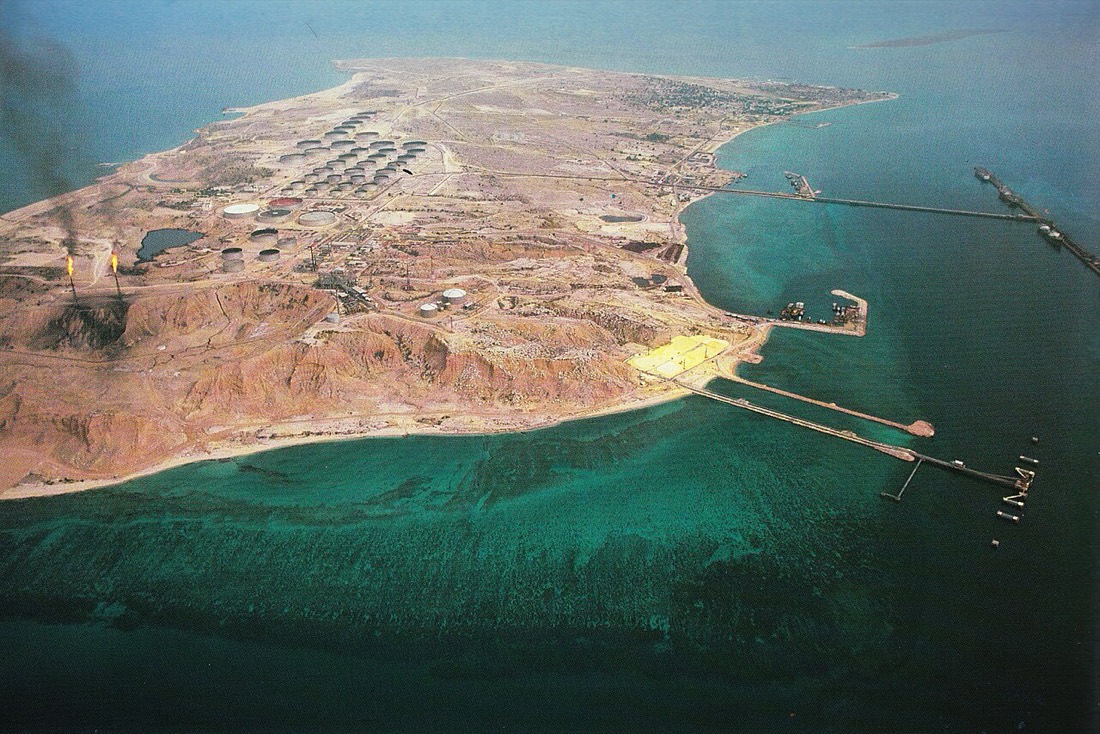
For seven years, India replaced Iranian crude with increased purchases from Russia, Saudi Arabia, Iraq, and diversified into other African and Latin American sources. Russia became India's largest crude supplier in 2022 and 2023 following Western sanctions on Russian oil after the Ukraine invasion, when discounted Russian crude provided similar economics to what Iranian crude once did.
The Strait of Hormuz crisis changed the equation sharply. By March 2026, India was scrambling to secure supply from any available source. The US, recognising that restricting all oil purchases from Iran during a global supply emergency would push allied energy prices higher and destabilise India's economy, issued a waiver enabling Indian refiners to buy Iranian crude.
According to energy intelligence firm Rystad Energy, the first Iranian crude cargoes arrived at Indian refineries in April 2026.
Why This Matters for Investors
For India's oil marketing companies, Iranian crude historically came at a discount of $2 to $5 per barrel versus comparable Middle Eastern grades. Even at current elevated market prices, a discount on some portion of the supply reduces the import bill. For BPCL, HPCL, and IOC, every dollar reduction in average crude cost translates directly into either lower losses or higher margins.
The resumption also signals to the broader market that India is actively diversifying its supply base rather than passively absorbing the oil price shock. A more diversified India is a more resilient India from an energy perspective, which is positive for the long-term current account and rupee stability.
For sectors beyond oil, the geopolitical signal matters. India's willingness to engage Iran commercially while the US-led coalition is in conflict with Tehran indicates India's strategic autonomy on energy, which has implications for how both Washington and Beijing read India's foreign policy intentions.
Market Reaction
Indian oil marketing company stocks reacted cautiously to the news. The relief of potential supply at a discount was offset by uncertainty about the volume, the sustainability of the US waiver, and whether Iranian crude would actually reach India at the promised economics given shipping complications in the region.
Reliance Industries, which operates India's largest private refinery complex at Jamnagar, had already been managing the oil supply crisis through its global crude procurement network. Reliance typically does not comment on specific crude origin sourcing.
Bond and currency markets saw the news as a mild positive for India's current account outlook, since cheaper Iranian crude, even at modest volumes, reduces the total oil import bill slightly. The rupee did not move sharply on the news but has remained under pressure for broader macro reasons.
What Investors Should Watch
The sustainability of the US waiver is the central variable. Waivers are political instruments, not permanent permissions. If US domestic politics shift or the Iran conflict dynamics change, the waiver could be revoked. At that point, India would need to immediately stop purchases or face secondary sanctions.
The volume of Iranian crude India buys will determine the financial significance. If Iranian purchases are 5% or less of India's total crude imports, the impact on OMC economics is modest. If volumes scale significantly toward the pre-2019 levels, when India bought around 20 to 25 million metric tonnes per year from Iran, the saving on the import bill becomes material.
Indian refinery utilisation data, published monthly, will show indirectly whether alternative crude supply has improved. A return toward normal utilisation rates from the March 2026 lows would confirm that supply diversification, including Iranian crude, is working.
Watch for any US Congressional or executive reaction to the purchases. So far, Washington appears to have sanctioned this through the waiver, but geopolitical pressures can shift quickly.
Risks to Monitor
If the US revokes the waiver, Indian refiners would need to unwind Iranian crude contracts at short notice, potentially creating supply gaps and forcing a return to the expensive spot market. The transition risk of sudden waiver revocation is a real operational risk for OMCs.
There is also a long-term reputational consideration. India has navigated the US-Russia sanctions regime on Russian oil by maintaining plausible deniability and keeping purchases below levels that triggered formal US action. Iranian crude purchases, even with a waiver, create a more explicit engagement with a sanctioned economy that some investors in US markets may view unfavourably when assessing Indian companies.
The broader normalisation of India-Iran trade through an energy channel could open other commerce, but it also carries escalation risk if the US-Iran conflict resumes or intensifies.
India's energy policy in 2026 reads like a textbook on pragmatic non-alignment: buy from Russia when it is cheap and available, buy from Iran when it is necessary and permitted, and use the saving on the import bill to keep the domestic economy functioning. Whether that approach continues to draw waivers from Washington depends on India staying useful to US strategic interests elsewhere.