India's currency has been one of the quiet victims of 2026's macro story. The Indian rupee has depreciated 11.31% against the US dollar over the past 12 months, falling from approximately Rs 85.53 in March 2025 to Rs 95.77 per dollar as of June 12, 2026. For a currency that was trading below 85 per dollar less than 18 months ago, this is a sharp and meaningful shift.
Rupee depreciation does not make headlines the way Nifty movements do, but its effects touch every Indian investor, importer, student planning overseas education, and household buying fuel. Understanding what is driving the fall and what it means for portfolios is not optional knowledge in a year when the currency has moved this much.
The two forces driving the slide are related but distinct. The oil import bill has exploded since the Strait of Hormuz crisis, requiring India to buy far more dollars to pay for crude. And FPIs selling Indian equities at a record pace have converted those rupees back to dollars and taken them out of India.
What Happened
In the twelve months ending June 2026, the rupee has lost 11.31% against the dollar. The move from Rs 85 to Rs 95 did not happen in a straight line. The rupee weakened gradually through late 2025, then accelerated after the Strait of Hormuz closure from late February 2026 pushed India's oil import bill sharply higher.
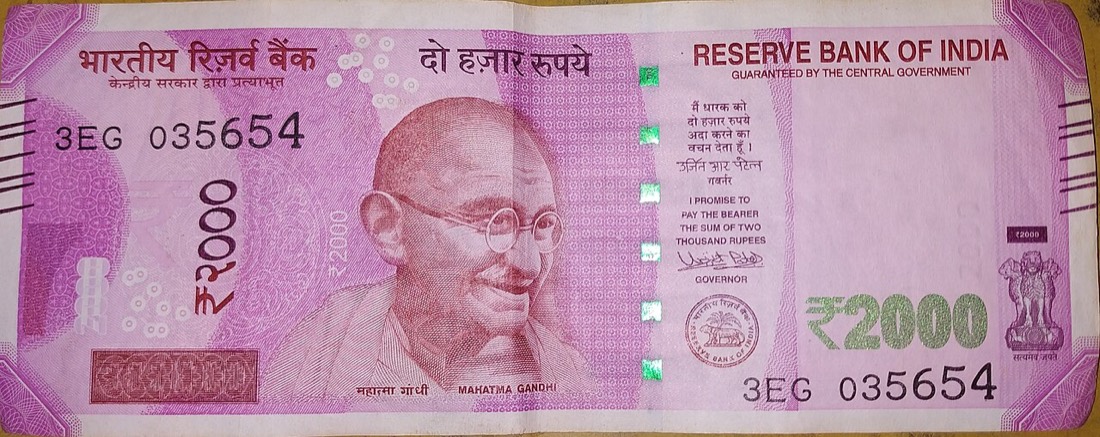
The rate differential is the other half of the story. With the US 10-year yield near its highest since 2007 and the Fed raising rates in September 2026, the gap that supports the rupee has narrowed, explained in our 10-year at 5% analysis.
India imports approximately 85% of its crude oil and pays for it in dollars. When the Indian crude basket jumped from $69 per barrel in February to a peak of $157 in March 2026, the dollar demand from oil importers spiked immediately. Oil marketing companies, refiners, and their downstream buyers all needed more dollars than usual, and that demand pushed the exchange rate higher.
Simultaneously, FPIs converting rupee proceeds from equity sales into dollars added a second layer of dollar demand. FPI outflows of approximately Rs 2.2 lakh crore in 2026 means roughly $23 billion worth of dollars were purchased against rupee, creating sustained selling pressure on the Indian currency.
The RBI has been managing the depreciation rather than preventing it. The central bank intervenes in the forex market to smooth volatility and prevent disorderly moves, but it does not defend a specific exchange rate target.
Why This Matters for Investors
The most direct consequence of rupee depreciation is imported inflation. Everything India buys from abroad, oil, electronics components, edible oils, fertilisers, and capital goods, costs more in rupee terms when the rupee weakens. That feeds into CPI inflation with a lag of four to six weeks, which is why the May 2026 CPI is expected near 4% and the RBI has raised its FY27 inflation forecast to 5.1%.
For Indian equity investors who hold only domestic assets, rupee depreciation does not directly affect nominal returns. A stock that rises from Rs 100 to Rs 110 has gained 10% in rupee terms regardless of what the dollar does. However, the inflation that depreciation causes reduces purchasing power, which means the real return on that 10% gain is lower than the nominal number suggests.
For investors with exposure to dollar liabilities, such as foreign education fees, overseas property costs, or imported goods businesses, the impact is direct and expensive. Someone sending a child to a US university who budgeted at Rs 85 per dollar now needs to find 12% more rupees for the same dollar costs.
IT and pharma companies that earn in dollars and report in rupees receive a tailwind. Every dollar of revenue converts to more rupees when the rupee weakens, boosting topline growth in rupee terms. This is one reason IT stocks have some inherent hedge against the macroeconomic stress.
Market Reaction
The rupee's slide has been a factor in FPI selling rather than just a consequence of it. When a foreign investor in Indian stocks calculates returns in dollars, a flat Nifty alongside a 11% rupee depreciation produces negative dollar returns. That dynamic discourages FPI re-entry and creates a feedback loop: more selling, more rupee pressure, which further reduces dollar returns.
Currency options market data shows hedging activity by corporates and FPIs has been elevated, reflecting the uncertainty around the exchange rate direction. Forward rates suggest the market expects the rupee to remain under pressure near term.
RBI's forex reserve position, which provides ammunition for intervention, stood at around $680 to $690 billion earlier in 2026, giving the central bank meaningful capacity to defend against sharp disorderly moves even if it does not target a specific rate.
What Investors Should Watch
The RBI's weekly foreign exchange reserve data, released every Friday, shows whether the central bank is spending reserves to support the rupee. Declining reserves indicate active intervention and suggest the RBI is concerned about the pace of depreciation.
Watch the monthly trade deficit data. India's trade deficit widens when the oil import bill rises, and a wider deficit means more structural dollar demand. If crude oil falls toward $70 again, the trade deficit would narrow sharply and rupee pressure would ease.
The US dollar index (DXY), which measures the dollar against a basket of major currencies, is a useful indicator. If the Fed signals rate cuts and the dollar weakens globally, the rupee gets relief alongside all other emerging market currencies, not because India's situation has improved but because the dollar pressure eases.
An Iran peace deal that reopens the Strait of Hormuz would be the most powerful single catalyst for rupee recovery, as it would simultaneously reduce oil costs and encourage FPI re-entry.
Risks to Monitor
If the rupee crosses 98 to 100 per dollar, several consequences become more severe. The RBI has significantly more pressure to hold rates to defend the currency rather than cut them for growth. The inflation-growth-currency trilemma becomes harder to manage at 100 per dollar than at 96.
Sovereign rating agencies watch currency trends as part of their India assessment. A sustained rupee above 97 to 100 would increase scrutiny of India's external position and could influence credit outlook commentary from Moody's or S&P, which in turn affects India's borrowing costs in international markets.
For corporates with unhedged dollar debt, a weaker rupee increases the rupee cost of servicing those loans. Companies that borrowed in dollars assuming rupee stability at 84 to 86 per dollar now face a meaningfully higher repayment burden.
The rupee at 95.88 (as of 18 September 2026) is not a crisis number for India. The economy is large enough, reserves deep enough, and the fundamental story intact enough that this is painful rather than catastrophic. But if the causes, oil at $97 and FPI outflows continuing, persist through the rest of 2026, the conversation about 100 per dollar becomes less academic than it currently sounds.