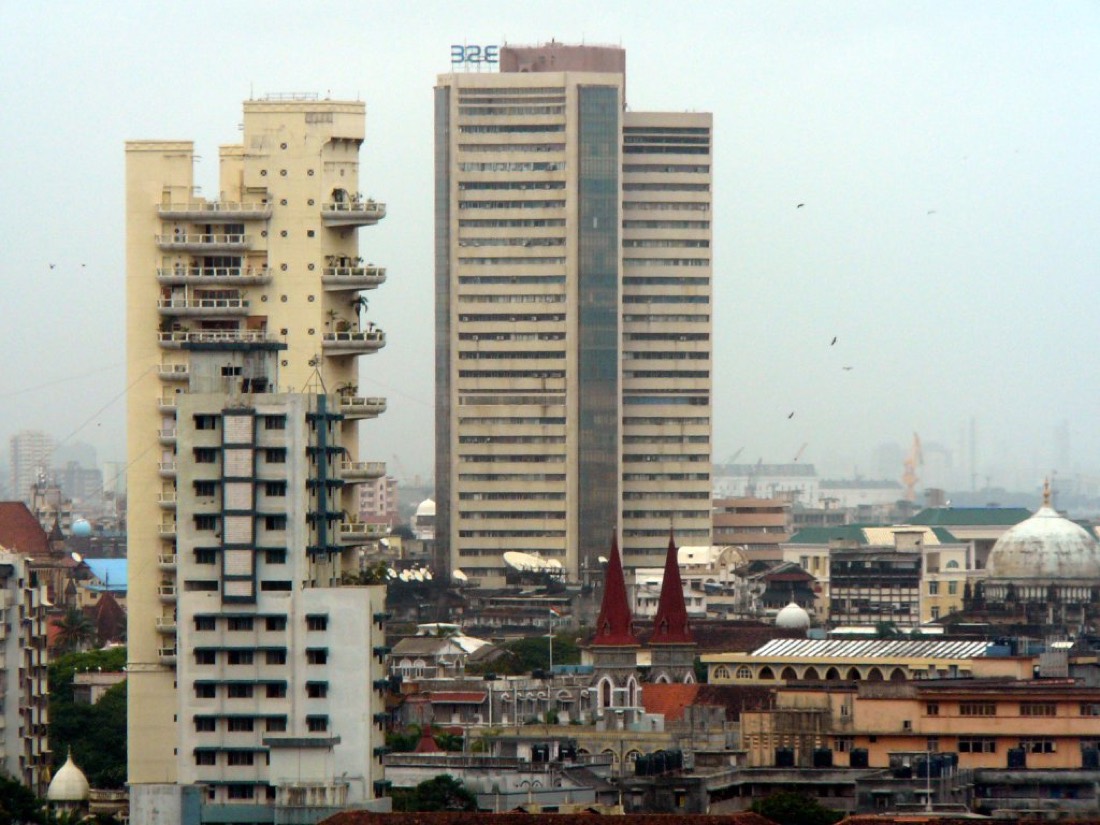
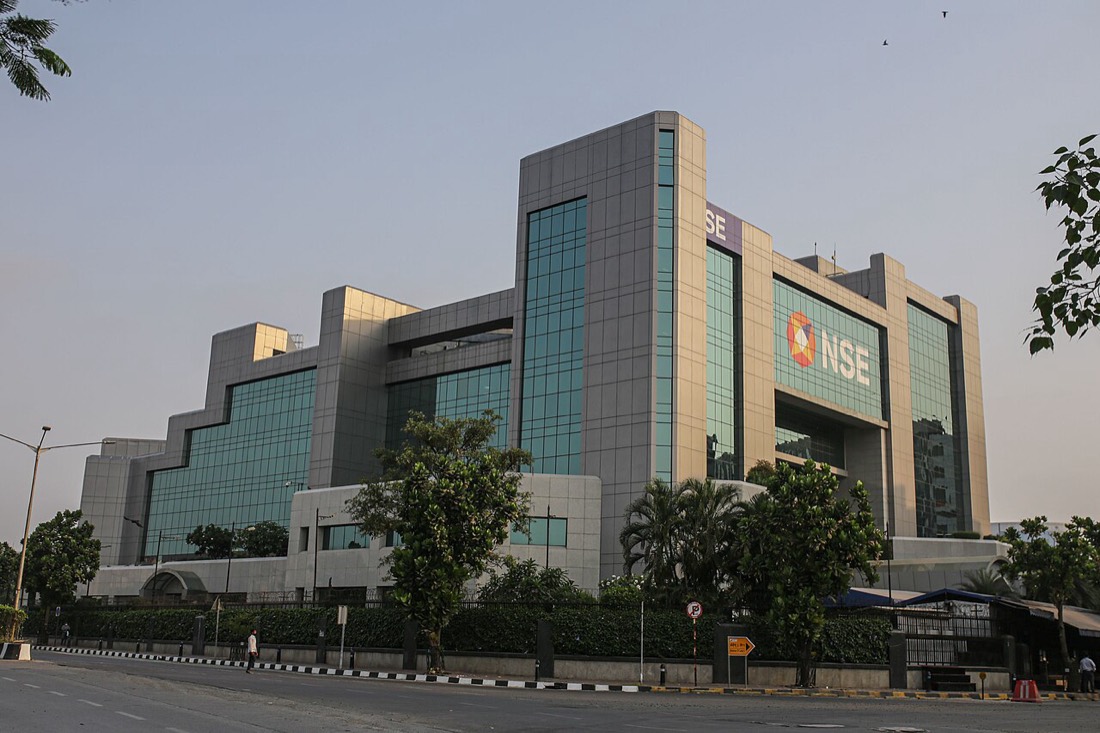
India's two exchanges are about to be priced side by side for the first time, and the comparison is stranger than the size gap suggests. NSE is expected to list at roughly Rs 5.2 lakh crore to Rs 5.3 lakh crore, more than three times BSE's market capitalisation of about Rs 1.4 lakh crore, yet BSE's profit grew about 88% in FY26 while NSE's fell 15.5%.
The bigger company is the one that shrank. That is the whole story.
The scoreboard
The valuation gap is justified by scale and the growth gap is explained by regulation, and an investor has to decide which of those two facts will matter more over the next three years.
Why the same rule change hit them differently
Both exchanges faced the same SEBI derivatives tightening. Only one of them had built most of its earnings on it.
NSE earns the bulk of its income from transaction and clearing fees, dominated by index derivatives, which is precisely the activity SEBI set out to cool after finding that the overwhelming majority of individual F&O traders lose money. Raising index derivative contract sizes to roughly Rs 15 lakh and adding a 2% extra margin on expiry-day short options removes exactly the marginal trades that used to sit on NSE's revenue line, a mechanism our open interest and put-call ratio explainer covers.
BSE came into the same rules from a smaller derivatives base, so the percentage damage was far lower while the percentage upside from any share gain was far higher. A smaller player taking share in a shrinking pool can grow fast; the incumbent defending a shrinking pool cannot.
The irony nobody at either exchange will say out loud
NSE will list on the BSE, because an exchange cannot list its own shares on itself, which means BSE will collect listing and transaction revenue on its largest competitor's stock. BSE did the reverse in 2017, listing on NSE.
That arrangement produces a genuinely odd incentive. Every rupee of turnover in NSE shares is turnover on BSE's platform, so the arrival of a rival worth three times as much is also, mechanically, a new revenue line for the smaller exchange.
What the IPO actually tests
Not whether NSE is a good business. That is settled. NSE converted Rs 18,713.37 crore of total income into Rs 10,302.06 crore of profit in FY26, a net margin around 55% with zero borrowings, which is the kind of economics only market infrastructure produces.
What it tests is the price. At roughly 50 times FY26 earnings, a buyer is paying a growth multiple for a company whose most recent full year showed a decline, and the recovery case depends on derivatives volumes stabilising under rules explicitly designed to keep them lower. Our NSE IPO piece has the full timeline and structure.
The counter-argument is that the base year is artificially depressed, that India's demat account base keeps expanding, and that every new investor eventually becomes transaction volume. That case is real. It is just not visible in the FY26 numbers a buyer is being asked to price.
What to watch through September
The price band, expected around 11 September, is the first hard test. A band near Rs 2,000 reads as sellers leaving something for new investors; a band at Rs 2,300 says they intend to capture the full unlisted-market premium, given NSE unlisted shares traded near Rs 1,920 to Rs 1,925 in August.
BSE's own share price through the subscription window is the second. A rival arriving at three times your size is a competitive threat and a valuation benchmark at once, and BSE rose 4.4% on approval day rather than falling, which suggests the market is currently treating it as the benchmark.
Quarterly derivatives volumes are the third and most important. Both companies now live or die by how much of the pre-curb F&O activity returns, and that is a question about retail behaviour rather than about either exchange.
Risks to monitor
The second risk is the supply overhang. NSE's offer is a pure offer for sale, and LIC alone retains 10.72%, far more than the roughly 6% being sold now, so future divestment is a standing question.
The third is that a mega-issue absorbs capital. An Rs 30,000 crore listing can crowd out the smaller IPOs queued behind it, which our India IPO pipeline tracker follows. This is general information, not investment advice.
For thirty years the argument between India's exchanges was about volume, and NSE won it decisively. The listing turns the argument into one about price, where the scoreboard reads differently: the giant is being valued on what it owns, the challenger on what it is winning.