India's most cash-generative company is going to the debt market. Reliance Industries is reported to be raising about Rs 12,500 crore through five-year bonds carrying roughly a 7.47% annual coupon, with investor bids expected by the week ending 18 September 2026.
The size is unremarkable for Reliance. The rate, and the timing, are what make it worth reading.
Why a company with cash borrows anyway
This is the part that confuses people, and the logic is straightforward once separated from intuition.
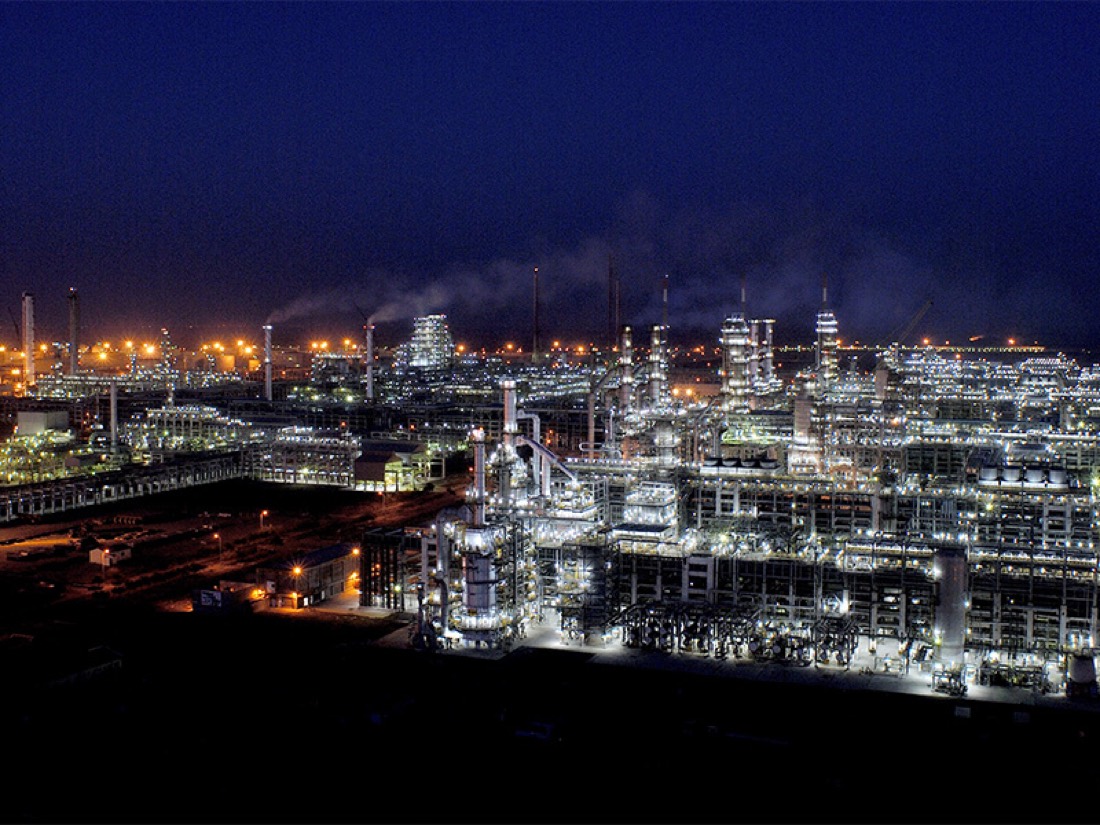
Debt is frequently cheaper than using your own money, because interest is tax-deductible while equity capital is not, so the after-tax cost of a 7.47% bond is lower than the headline rate suggests. For a company with heavy capital expenditure, borrowing at a fixed cost for five years while deploying internal cash into projects is ordinary treasury practice, not distress.
There is a second, quieter reason. Large issuers borrow partly to stay visible in the bond market, so that when they need to raise something much larger, the investor base already holds their paper and knows how to price it.
What 7.47% says about the cost of money in India
This is the number worth extracting from the story, because it is a benchmark rather than a company detail.
A five-year coupon near 7.47% is what one of India's highest-quality corporate borrowers pays, against a Reserve Bank of India repo rate of 5.25%. The gap covers the term premium for lending over five years and the credit spread over government paper.
The implication runs down the credit ladder. If the strongest issuer pays 7.47%, mid-sized and lower-rated companies pay materially more, and that cost determines which capital projects across the economy clear their hurdle rate. It also lands at an awkward moment globally, with a US rate hike about 90% (as of 11 September 2026) priced for 16 September, covered in our Fed dot plot explainer. Higher global rates eventually pull Indian corporate borrowing costs up too.
The Jio timing
The bond sale comes weeks after Reliance filed Jio Platforms' draft papers for what would rank among India's largest ever listings, tracked in our Reliance Jio IPO coverage.
The two are separate transactions, and it is worth resisting the temptation to draw a straight line between them. Raising debt before a major listing is common practice for a simple reason: it funds the business without issuing equity at a valuation that has not been set yet. A company preparing to price a large IPO generally prefers not to sell equity cheaply in the meantime.
What the timing does confirm is a capital-hungry period. Reliance is simultaneously funding its existing businesses, preparing a major subsidiary listing, and operating in a sector where energy prices have been volatile, with Brent near $104 (as of 11 September 2026) after renewed Middle East strikes.
What to watch
The first is the final coupon and the subscription level. If the issue prices tighter than 7.47% or is heavily oversubscribed, it says demand for high-quality Indian corporate paper is strong despite global rate pressure. If it prices wider, that is the more interesting signal.
The second is what the proceeds fund, since debt raised for capital expenditure that earns above its cost is value-accretive, and debt raised to refinance is merely housekeeping.
The third is the Jio listing timetable, which remains the far larger event for Reliance shareholders and for the Indian primary market, arriving in a window that already includes the NSE listing.
Risks to monitor
The second consideration is aggregate leverage rather than any single issue. Rs 12,500 crore is not large relative to Reliance's cash generation, and the question is always the total, not the instalment.
The third is sector exposure. Energy prices near $96 a barrel cut both ways for a company with both refining and consumer businesses. This is general information, not investment advice.
The useful takeaway is not about Reliance at all. It is that five-year money now costs India's best corporate credit about 7.47%, and every company weaker than Reliance is quietly paying more than that to build anything.