The headline number was 200%. The number that decides anything is 2028. Washington's generic drug tariff plan keeps imported generics at zero tariffs from 1 August 2026 for two years, then raises them to 100% for one year, and to 200% after that, which gives Indian manufacturers a countdown rather than an immediate bill.
Indian pharma stocks fell up to about 4% on the announcement anyway, because a deadline two years out still has to be priced today.
What the plan actually says
The structure matters more than the top-line rate, and most coverage collapsed the two.
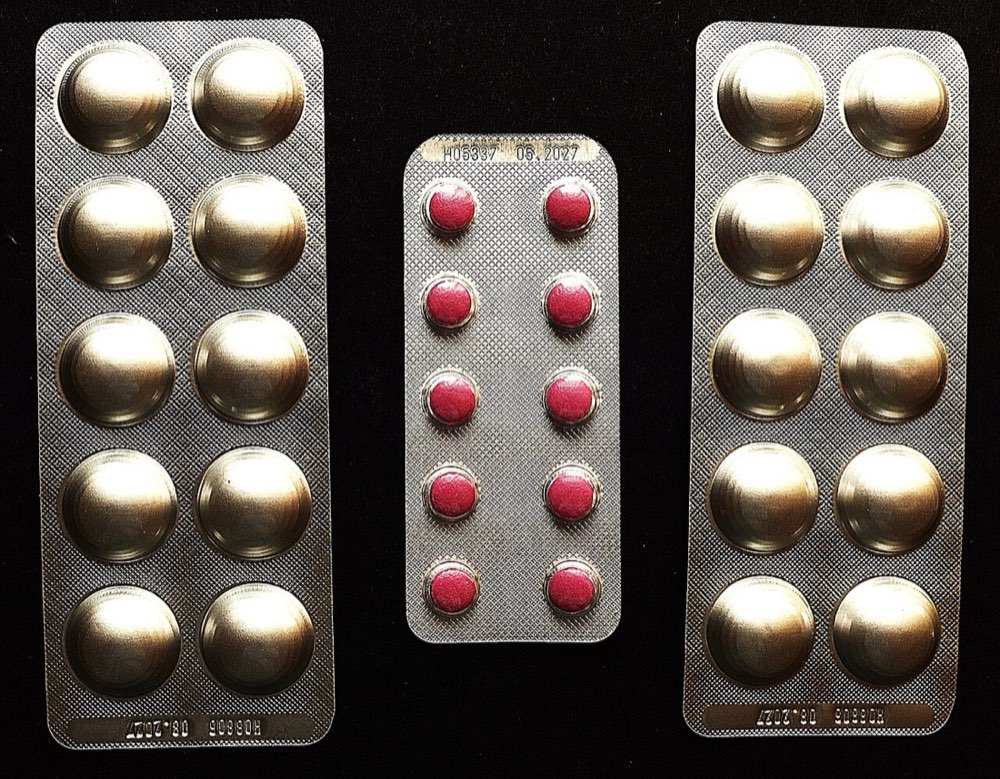
The zero-tariff window is the policy. A tariff that starts at nothing and escalates on a published schedule is not designed to raise revenue, it is designed to move factories, giving companies a defined period to commit to US manufacturing before the cost arrives.
Branded medicines sit on a separate track, with a 100% tariff announced on patented drug imports. That distinction is why Indian pharma is less exposed than the headlines implied: India's US business is overwhelmingly generics, and generics are the category that got the two-year reprieve.
Why Indian pharma still fell
Because the exposure is real even when the timing is distant. The United States accounts for roughly 34% of India's pharmaceutical exports, and pharma is one of the country's largest net export earners, so a policy that eventually taxes that trade at 200% is a structural question, not a headline.
The share moves were orderly rather than panicked. Sun Pharmaceutical Industries fell about 3.4%, with Glenmark, Biocon and Aurobindo Pharma each down around 3%, and the sector fell up to roughly 4%. Dr Reddy's Laboratories dropped about 9% to a 52-week low over the same stretch, though that followed its Q1 results rather than the tariff news, which is a distinction worth keeping straight when reading sector screens.
The contradiction inside the policy
Generic drugs are the cheap end of American healthcare, and India is one of the largest suppliers of them.
A 200% tariff on generics either raises prices for US patients or asks manufacturers to absorb a cost that generic margins cannot carry, because the entire business model of a generic is thin margin at high volume. There is no version of a 200% import tax that a commodity manufacturer quietly swallows.
That is the strongest argument that the schedule gets renegotiated before it takes effect. The 100% rate would begin in 2028, a US election year, and tariffs that raise the price of medicines are an unusually visible thing to campaign on. The two-year window is long enough for a trade negotiation, a change of policy, or both.
What the window is actually for
For Indian companies the choice set is narrow and expensive.
Building or buying US manufacturing capacity is the response the policy is designed to produce, and firms that already run American plants start the countdown in a better position than those exporting everything from India.
The alternatives are worse. Absorbing a 100% tariff is not viable on generic economics. Exiting low-margin products protects the P&L but concedes share in the world's largest drug market. Seeking exemptions through the broader trade negotiation is possible, and India has already negotiated tariff outcomes with Washington this year, as our US tariffs and India's exports coverage sets out.
What to watch
The first thing is whether the schedule survives contact with US drug pricing. Any softening, carve-out or delay would remove most of the risk currently sitting in Indian pharma valuations.
The second is company disclosure on US capacity. Announcements about American plants, acquisitions or partnerships between now and 2028 are the real signal about who is taking the deadline seriously.
The third is the wider trade relationship, because generics are one file among several and pharma outcomes may be traded against other sectors.
Risks to monitor
The second risk runs the other way, for anyone reading the sell-off as an opportunity. The policy could be tightened, accelerated or extended to categories currently outside it, and nothing in the announcement binds the administration to the published schedule.
The third is concentration. Any Indian pharma company deriving an outsized share of revenue from US generics carries more of this risk than the sector average, and the sector average is what most headlines quote. This is general information, not investment advice.
The useful way to read this week is that Indian pharma did not receive a 200% tariff. It received a date, and a decision it now has to make with real money long before that date arrives.