AI stocks and spending have climbed so far, so fast, that the word "bubble" is everywhere. There are real bubble warning signs in 2026, chiefly nearly $690 billion of AI infrastructure spending running ahead of the revenue it has produced, but also real differences from the 2000 dot-com crash, above all that the companies leading this boom earn large, genuine profits today. Whether it pops, and when, no one can honestly predict.
This piece answers the question directly, on both sides, because the truth is genuinely mixed. It is educational, not investment advice.
What Is An AI Bubble?
An asset bubble is when prices rise far above what the underlying value can justify, then fall sharply when reality catches up. An AI bubble, specifically, would mean AI-linked stocks and spending have run so far ahead of the actual money AI generates that a painful correction becomes likely. The classic comparison is the dot-com bubble, when internet stocks soared on promise and crashed in 2000 to 2002.
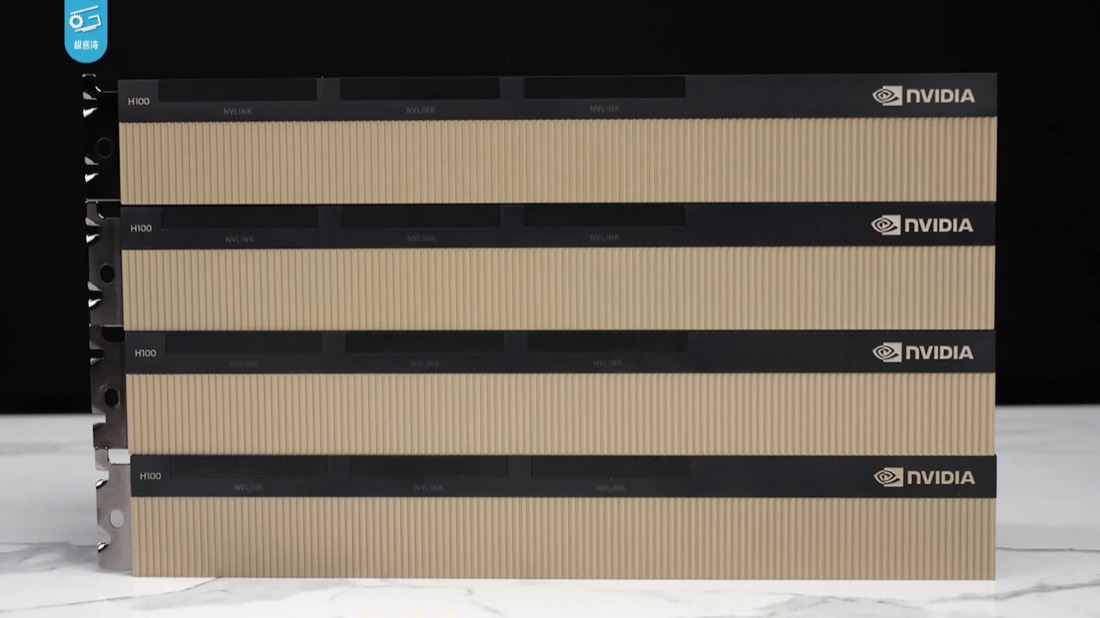
The clearest live test is Oracle, which carries a $664 billion AI backlog against negative $23.7 billion of free cash flow in fiscal 2026, the contrast our Oracle AI backlog piece breaks down.
The key word is "justify." A rising price is not a bubble if earnings rise with it; it is a bubble when the price depends on a future that may not arrive. That distinction is the heart of the 2026 debate.
Is AI Overvalued Right Now?
The evidence genuinely cuts both ways. The bearish signs are strong: hyperscalers will spend nearly $690 billion on AI infrastructure in 2026, much of it before AI has earned proportionate revenue, and a handful of names drive most market gains, as our AI data center power crunch coverage detailed. Concentration and spending ahead of returns are textbook late-cycle warning signs.
The bullish case is also real. Unlike the profitless internet firms of 2000, today's AI leaders earn enormous real profits, with Nvidia posting record quarterly revenue near $81 billion, as our Nvidia record revenue piece covered, and the spending is largely funded by cash-rich giants rather than debt. That makes a total collapse less likely than in a debt-fuelled mania.
Here is the debate at a glance.
What Could Pop The AI Bubble?
The most likely trigger is a revenue letdown. If AI fails to generate enough revenue to justify the $690 billion being spent, hyperscalers would cut capex sharply, hitting chipmakers, power suppliers and AI startups in a chain reaction. The whole edifice rests on the assumption that AI demand will pay for the build-out.
Other triggers exist. A power or supply bottleneck could stall the build-out, higher interest rates could compress rich valuations, weak adoption of AI products could undercut the growth story, or a shock to one of the concentrated leaders could ripple across the market. Any one of these could turn sentiment fast.
How Would An AI Bubble Hit Indian Investors?
India is exposed, but less directly than the US. A sharp AI correction abroad would reach India through global risk-off selling, pressure on IT stocks tied to global tech budgets, and any AI-linked data-center and power names, as our India data center boom and AI stocks in India pieces map out. Indian markets are not insulated from a global sell-off.
The exposure is smaller at the core, though. India has no chipmaker at the centre of the boom, so it lacks the most inflated assets, and its IT firms can actually benefit if AI adds work rather than replacing it. The effect on India therefore cuts both ways, unlike for the US names at the heart of the spending.
What Should Investors Watch?
The first thing to watch is AI revenue versus capex. The single most important signal is whether the money AI earns starts catching up to the roughly $690 billion being spent, since that gap is what a bubble call rests on.
The second is the breadth of the market. If gains stay concentrated in a few AI names, the market is fragile; if they broaden, the rally is healthier.
The third is capex guidance from the big spenders. Any sign that hyperscalers are trimming AI budgets would be an early warning that the build-out, and the stocks tied to it, are turning.
Risks to Monitor
The clearest risk is that spending is cut. Because so many stocks depend on AI capex, a pullback would spread quickly across chips, power and infrastructure.
A second risk is concentration. With a few names driving the market, a stumble in any one of them could drag indices down out of proportion to its size.
The third is timing. Even if AI is a real, lasting technology, prices can still correct hard along the way, exactly as the internet did after 2000 before going on to reshape the economy. This is general information, not investment advice.
August 2026 offered a preview of how that correction might actually arrive. Chip stocks fell about 5% in a session not because AI earnings disappointed, but because the 30-year US Treasury yield hit a 19-year high, the sequence our S&P 500 and the bond rout coverage tracks.
So, is there an AI bubble in 2026? The most honest answer is that there are real bubble signs sitting alongside real profits, which is precisely what makes it so hard to call. AI is almost certainly a lasting, transformative technology, and its stocks can still suffer a brutal correction on the way there. Both of those things can be true at once, and for investors, holding both ideas in mind at the same time is the whole skill.