The war in the Gulf has stopped being an oil story and started being an inflation statistic. US producer prices for final demand rose 0.4% in August 2026 and 5.4% over the year, about 0.1 percentage point above expectations, and prices for diesel fuel jumped 24.1% in the month, accounting for more than a third of the entire increase in the goods index.
The split inside the report is the tell. Final demand goods rose 1.1% while final demand services rose just 0.1%, so this is not a broad services-led inflation problem, it is energy passing through the physical economy. Jet fuel, gasoline and truck freight all climbed alongside diesel.
That distinction matters because central banks are supposed to look through energy shocks. This one has lasted long enough that looking through it has become the harder argument.
What the report actually said
The composition is unusually lopsided. Goods did nearly all the work, rising 1.1% against a 0.1% rise in services, and inside goods the energy complex dominated. Rising prices for diesel fuel, nonferrous scrap, basic organic chemicals, jet fuel, gasoline and truck transportation of freight outweighed declines in fuels and lubricants retailing, iron and steel scrap and portfolio management.
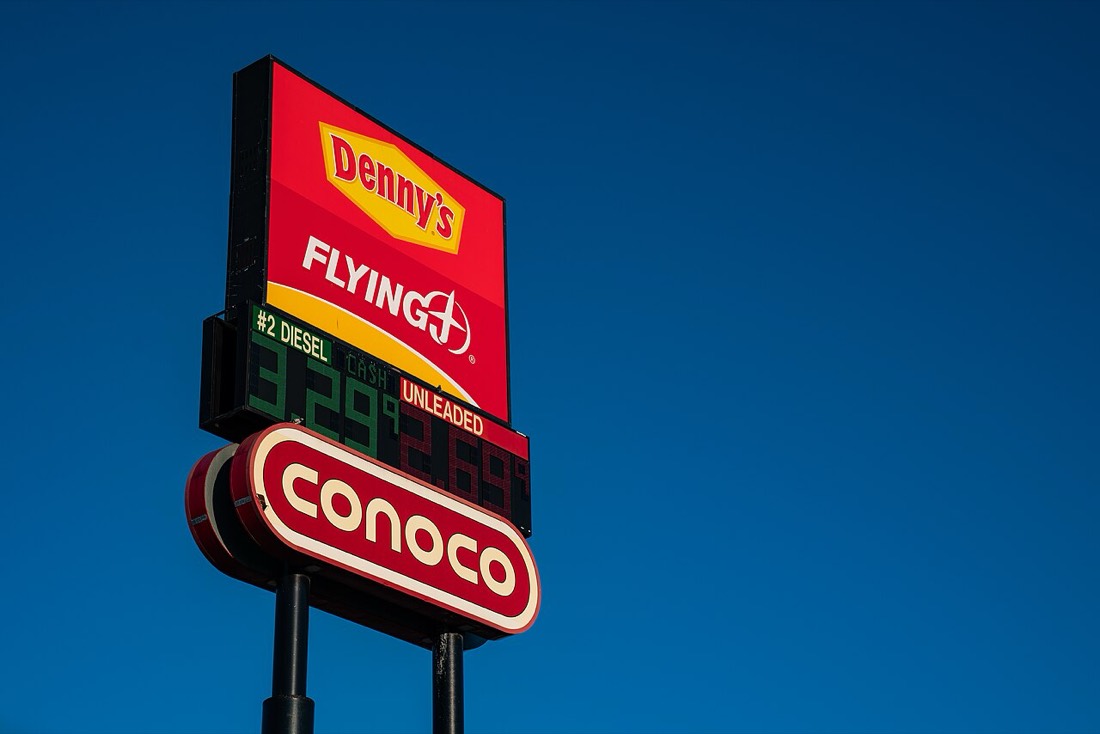
At 5.4% year on year, wholesale inflation is running at nearly three times the Federal Reserve's 2% target. The producer index matters to markets because it sits upstream of the consumer index, so a hot PPI print is read as a preview of what households will pay in the months ahead.
Why the Fed cares more than usual this time
Because the Fed has already spent the summer arguing about this. Chair Kevin Warsh used his Jackson Hole keynote on 28 August 2026 to argue that improved summer readings did not show underlying inflation trends had meaningfully improved, and three FOMC members had dissented in favour of a hike back in July.
The bond market has already moved. The US 10-year Treasury yield sits near 5.04%, and the Treasury's plan to buy $6 billion of long-dated paper failed to settle the market rather than calming it, which is what a market repricing a longer period of tight policy looks like. The consumer price index on 11 September is the last hard data before the decision, and our Fed dot plot explainer covers the India read-through in detail.
Market reaction
Asian equities fell in line with Wall Street, though India held up. The Sensex rose about 138 points and the Nifty 50 about 46 points on 10 September 2026, snapping a three-session losing streak, even as Brent climbed past $102 a barrel on fresh Strait of Hormuz tensions.
The flow split underneath tells the real story. Foreign institutional investors sold Rs 582.99 crore of Indian equities on 9 September 2026 while domestic institutions bought Rs 1,509.04 crore, which is the pattern that has held through most of 2026: domestic money absorbing foreign selling, as our how to read FII and DII activity guide explains.
What investors should watch
The first is whether the CPI print on 11 September confirms the PPI signal. Producer prices lead consumer prices, but the pass-through is neither complete nor instant, and a soft CPI would let the doves argue the goods shock stays contained.
The second is the energy loop itself. Diesel at 24.1% is a direct consequence of crude above $100, so the inflation data and the Gulf conflict are now the same variable, a link set out on our crude oil price today page.
The third is the dollar and the rupee. A hawkish Fed lifts the dollar, and the rupee at 95.88 (as of 18 September 2026) is already absorbing an oil shock, which means India would be taking the same hit twice, once through the import bill and once through the currency.
The fourth is Indian corporate margins in freight-heavy sectors. Truck transportation of freight rose in the same report, and while that is US data, diesel is a global price, so Indian logistics, cement and e-commerce delivery costs move on the same input.
Risks to monitor
The second risk is the opposite one. If high energy costs persist long enough to enter wages and services pricing, the shock stops being temporary and becomes embedded, which is the outcome that would keep rates high well into 2027.
The third is Indian specific. India imports over 90% of its crude and runs a $134.7 billion annual oil bill, so the same barrel that pushed US producer prices up also widens India's trade deficit. This is general information, not investment advice.
There is something almost circular about the last month. The war raised oil, oil raised diesel, diesel raised producer prices, and producer prices are now raising the odds that borrowing costs go up in a country nowhere near the fighting.