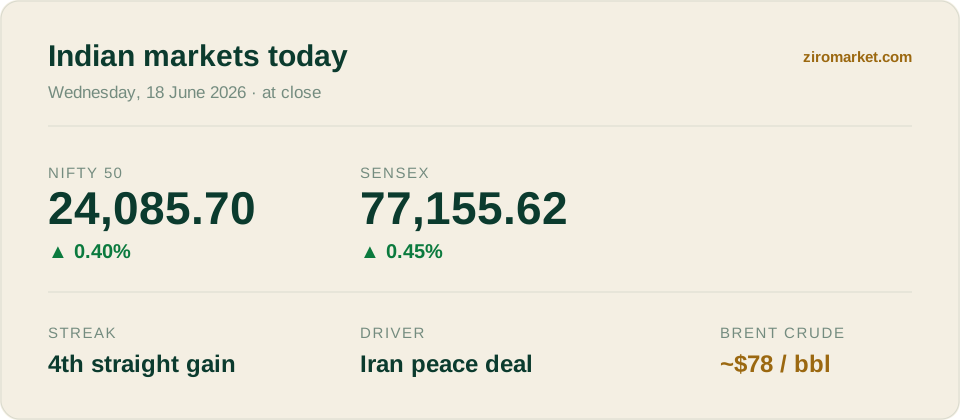
Two forces are pulling the market in different directions at once. The Nifty is swinging near 24,300 and the Sensex near 77,900 as of July 30, 2026, as monthly F&O expiry adds volatility and investors position for the US Fed decision due late tonight India time, while the Strait of Hormuz standoff keeps Brent near $83. The real move, though, waits for tomorrow.
Expiry makes the day choppy, but the Fed makes it consequential. With the decision landing after Indian hours, today is about positioning and tomorrow is about reacting.
What Is Happening
The session is expiry-driven. With futures and options for the series settling today, the Nifty is swinging near 24,300 on position squaring rather than on any fresh trend, the kind of choppy, technical trading that expiry days often bring. The direction will not be clear until the Fed lands.
Autos remain the earnings focus. After Maruti's mix-led quarter and Tata Motors' JLR-driven one, the sector is the live story, compared in our auto sector Q1 FY27 scorecard, with Mahindra and the two-wheeler makers still to report.
The macro backdrop is unchanged. Brent near $83 and the rupee near 96.1 keep the Gulf standoff in view, tracked across our crude oil price today and rupee vs dollar today pages, and the rupee is the currency to watch once the Fed decides.
Why This Matters for Investors
The Fed, not expiry, is what matters for the trend. Expiry moves are usually technical and fade, but the Fed's signal on the dollar will set the rupee's direction and the market's tone into August, as our US Fed decision July 2026 piece explains. Today's chop is noise; tomorrow's reaction is signal.
Foreign flows hinge on the outcome. A dovish Fed could slow the foreign selling that has pressured the rupee, while a hawkish one could accelerate it, a dynamic covered in our how to read FII and DII activity guide.
For long-term investors, an expiry-day wobble is not worth reading into. The firmer earnings backdrop and the Fed's guidance will matter far more for where the market goes next than any single settlement-day swing.
What To Watch
The first thing to watch is the Fed tonight and the rupee tomorrow. The currency's reaction will be the fastest read on how the market has taken the decision.
The second is the remaining results, including Mahindra and the PSU banks, with SBI previewed in our SBI Q1 FY27 preview.
The third is the RBI next week, where a hold at 5.25% is expected, as our RBI August 2026 MPC preview explains.
Risks to Monitor
The clearest risk is a hawkish Fed. A stronger dollar would pressure the rupee, already near a record low, and could trigger foreign selling in tomorrow's session.
A second risk is expiry-driven volatility, which can exaggerate moves in either direction today.
The third is the Hormuz standoff, where any escalation would spike oil and overshadow the policy focus. This is general information, not investment advice.
A Nifty swinging near 24,300 on expiry day is a market marking time before the real event. The chop will fade by the close, but the Fed decision tonight, and how the rupee takes it, will decide whether the market opens August on the front foot or the back.