The oldest safe haven and the newest one had very different 2026s, and the contrast is the whole debate. Gold hit an all-time high of $5,602 an ounce in January 2026 on record central-bank buying, while Bitcoin, the self-styled "digital gold," traded around $63,000, roughly half its own record. One is calm, backed by governments, and near its peak; the other is volatile, driven by sentiment, and still climbing back. So which is the better safe haven?
The honest answer is that they are different tools for different jobs, and knowing which is which matters more than picking a winner.
What makes something a safe haven?
A safe haven is an asset that holds or gains value when everything else is falling. The three things that make one trustworthy are a long track record, low volatility, and durable demand that does not vanish in a panic. Gold scores highly on all three; Bitcoin scores on scarcity and upside but not yet on the others.
The test is how an asset behaves in a genuine crisis. Gold has centuries of doing its job when markets crash. Bitcoin, barely 16 years old, has often fallen alongside risky assets rather than protecting against them, which is the core of the "is it really digital gold?" argument.
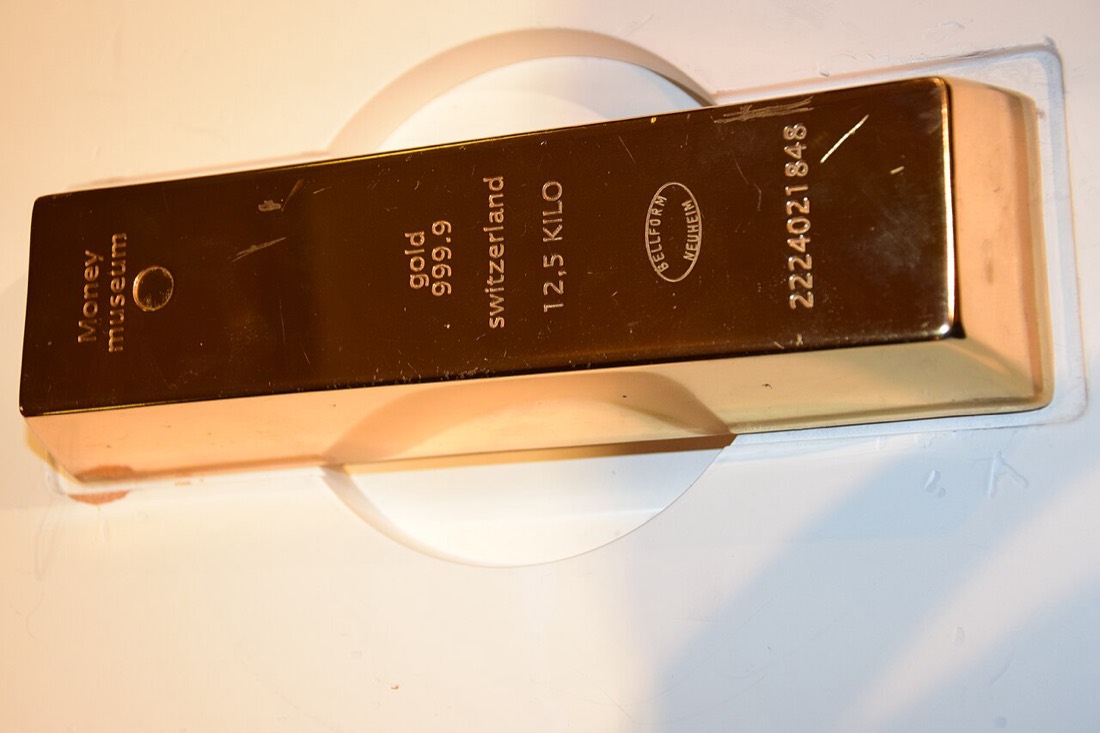
Gold: the 5,000-year safe haven
Gold's case is stability and demand. Its 2026 record was driven not by traders but by central banks, which bought a record 2,175 tonnes in 2025 to diversify away from the US dollar, as our central banks buying gold piece details. That structural, price-insensitive demand puts a floor under gold that did not exist a decade ago.
Gold's weakness is its ceiling. It pays no yield, and it tends to rise steadily rather than explosively, so it protects wealth more than it multiplies it. After hitting $5,602, it corrected toward $4,195 by mid-2026, as our gold all-time high coverage explains, a reminder that even the safe haven has drawdowns, just smaller ones than most assets.
Bitcoin: digital gold or high-risk bet?
Bitcoin borrows gold's best idea, scarcity. Its supply is capped at 21 million coins, which is the foundation of the "digital gold" and inflation-hedge argument, and it has delivered far bigger long-run gains than gold. That asymmetric upside is why it attracts investors gold never could.
But volatility is the catch. Bitcoin can fall 50% or more, as it has from its 2025 peak near $126,200 to around $63,000, which is not how a classic safe haven behaves, as our Bitcoin H2 2026 outlook lays out. It trades on risk appetite and ETF flows, so it often drops when investors are most scared, exactly when a safe haven should hold.
Gold vs Bitcoin: the scorecard
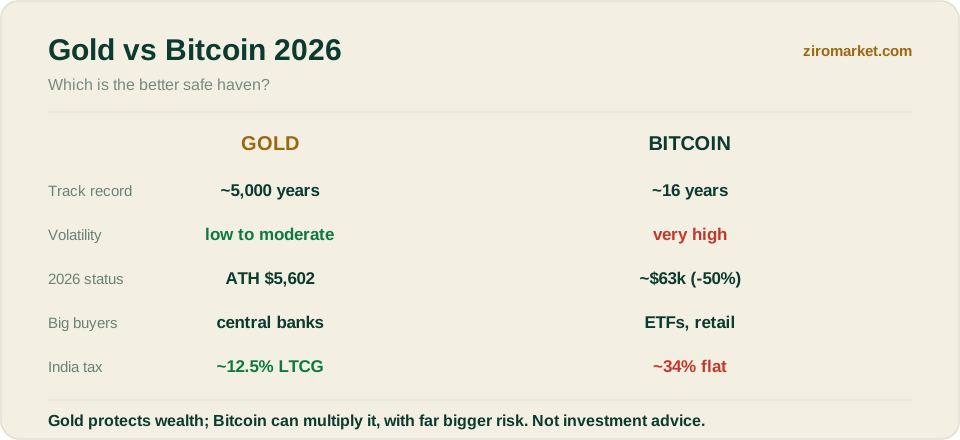
Here is how the two compare on what matters.
Gold wins on safety and stability; Bitcoin wins on upside and scarcity-driven potential. They are not really the same asset class dressed differently, which is why comparing them is useful but declaring one the outright winner is not.
Which should Indian investors consider?
Tax tilts the field in India. Gold is taxed far more kindly, with long-term gains around 12.5% and extra perks on Sovereign Gold Bonds, while crypto faces a flat 30% plus cess and no loss offset, as our crypto tax India guide explains. That heavier crypto tax makes Bitcoin's high-turnover volatility especially costly to trade here.
Culture matters too. Gold is woven into Indian savings and weddings, and formats like SGBs, ETFs and digital gold make it easy to own, as our gold vs silver 2026 comparison covers. Bitcoin appeals to a younger, risk-tolerant investor, but the sensible framing for most is gold as the stable core and any Bitcoin as a small, high-risk satellite, sized to what you can afford to lose.
There is a diversification angle worth understanding. Gold and Bitcoin do not always move together, so holding a little of each can behave differently through a cycle, gold often steady while Bitcoin swings. That low correlation is part of the case for owning both. But it is not a guarantee: in the sharpest sell-offs, investors sometimes sell everything at once, even gold, to raise cash, so neither is a perfect hedge when panic peaks.
Risks to monitor
The clearest risk for gold is a strong dollar and high real interest rates, which can pull the non-yielding metal down even as central banks keep buying.
For Bitcoin, the risks are far larger: deep drawdowns, ETF outflows, regulation, and its tendency to fall hardest in a genuine risk-off shock.
The shared risk is treating either as a guaranteed hedge. Both can fall, gold gently, Bitcoin violently, so position sizing matters more than the label. This is not a recommendation to buy or sell either. This is general information, not investment advice.
Gold and Bitcoin are less rivals than two ends of the same instinct: the urge to hold something scarce when trust in everything else wobbles. In 2026, gold is doing the safe-haven job the textbooks describe, while Bitcoin is offering the upside and the volatility of a young asset still proving itself. The better question is not which wins, but which job you are actually trying to fill.